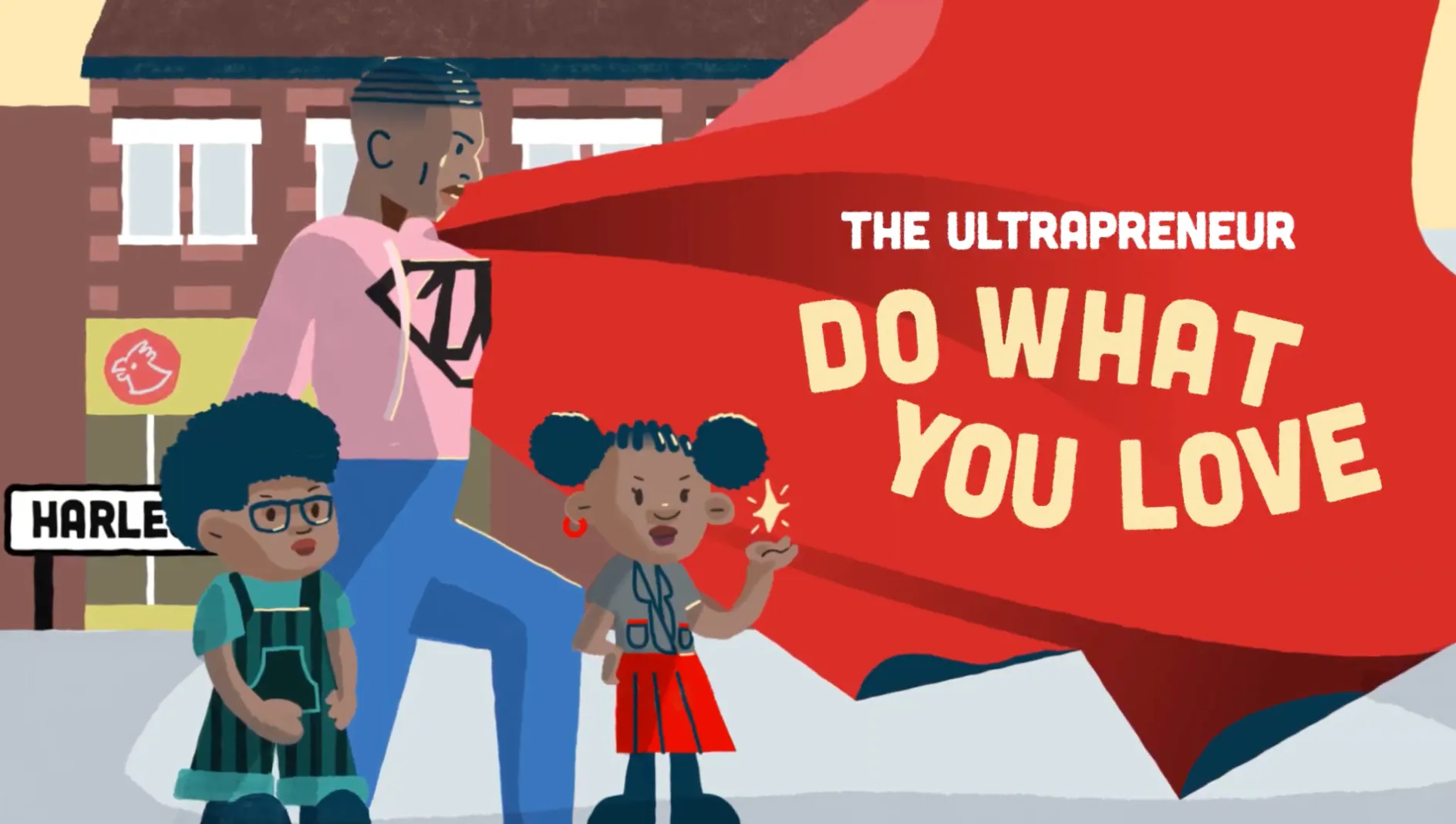
Do What You Love follows the visionary work of Julian Hall, widely known as The Ultrapreneur, whose life mission has been to transform the futures of children from marginalised backgrounds through the power of entrepreneurship.
In this episode, the series steps inside the world of Ultra Education, the organisation Julian founded to teach entrepreneurial skills to young people aged 7 to 17—children who are often overlooked, underestimated, or boxed in by the limits society places on their postcodes.
Through classroom moments, community workshops, and intimate conversations with the young entrepreneurs he mentors, Julian reveals the philosophy that drives his work: your postcode does not define your success. Instead, he shows how creativity, resilience, and self-belief can open doors far beyond the boundaries of any neighbourhood.
The episode highlights the stories of children who, under Julian’s guidance, turn their passions into real businesses—from handmade products to tech ideas—proving that entrepreneurship is not just for adults or the privileged. It is a tool for liberation, confidence, and long-term empowerment.
At its core, this episode is a celebration of possibility. It captures Julian Hall’s unwavering belief that when children are taught to do what they love, they don’t just build businesses—they build futures.
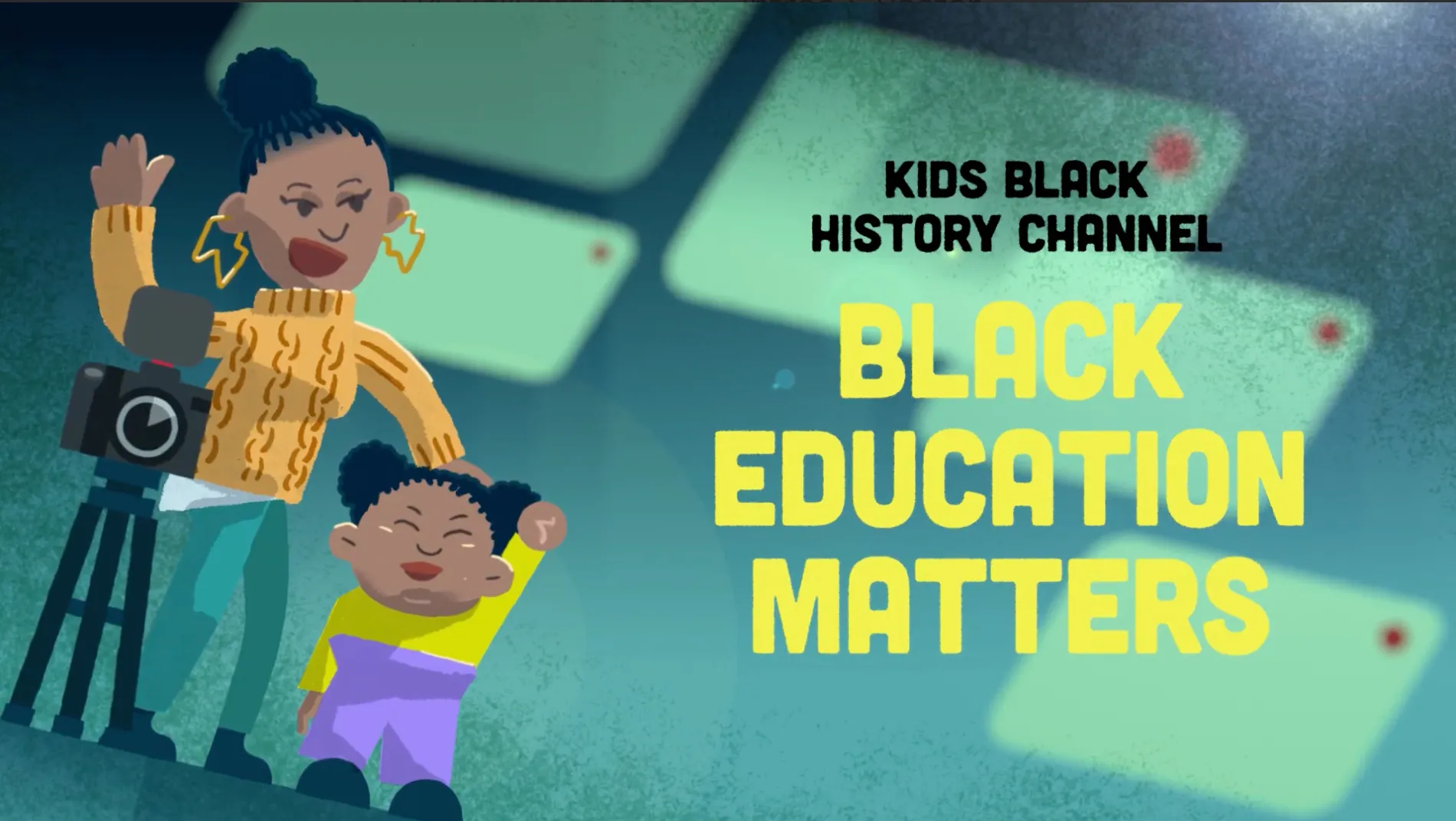
This episode follows Keighley Douglas, a PE teacher and solo parent who never imagined she would one day become a YouTube content creator. But when the world changed after the murder of George Floyd, something changed in her too. She looked at her daughter and realised she couldn’t rely on schools or the media to tell Black children the truth about who they are. So she decided to teach it herself.
With no background in filmmaking, Keighley started from scratch. She learned how to edit by watching tutorials after her daughter went to bed. She experimented with lighting in the living room, recorded voiceovers in the quiet moments between work and parenting, and slowly built the confidence to create something bigger than herself. What began as a mother trying to protect her child’s identity grew into Kids Black History, a channel hosted by her younger daughter—bright, curious, and fearless in front of the camera.
Together, they created the KBH Classroom, a space where children learn the real story of Africa: its kingdoms, its brilliance, its inventions, its beauty. The episode captures the intimacy of their journey—the mother adjusting the camera while her daughter practices her lines, the laughter between takes, the pride that fills the room when they upload a new video and see comments from families around the world.
This is not the story of a polished media company. It’s the story of a mother who refused to let her child grow up without knowing her history. A PE teacher who turned her living room into a studio. A solo parent who taught herself every skill she needed because the world wasn’t teaching her daughter what mattered.
At its heart, this episode is about love, courage, and the power of ordinary people to rewrite the narrative. A mother and daughter, side by side, teaching the world the real story of Africa.
If you want, I can shape this into a logline, a pitch‑deck paragraph, or a more poetic version that fits your dissertation’s voice.
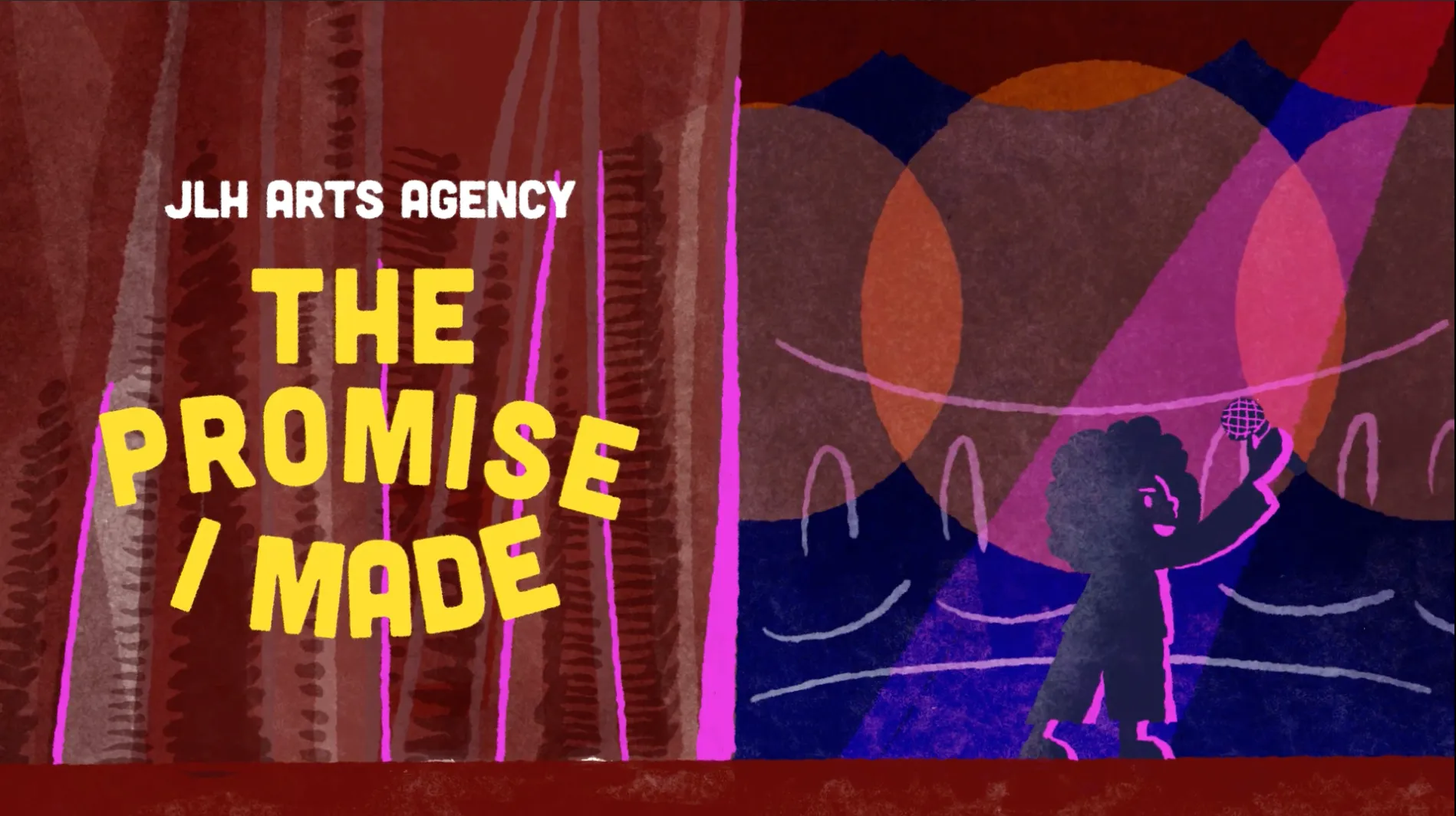
This episode follows Jerri Hoath, a mumpreneur and talent agent whose life changed the moment she realised her daughters, Navaeah and Tiani, were walking into the same painful experiences she had survived growing up. Jerri knew racism in her own childhood—the comments, the exclusions, the way the world tried to shrink her. But nothing prepares a mother for the moment she sees her children facing the same thing.
When her daughters began experiencing racial abuse at school, and later in the West End and performing arts industry, Jerri reached a breaking point. She refused to let their dreams be dimmed by an industry that still struggles to see Black children as worthy of leading roles, complex characters, or simply being treated with respect.
So she did what mothers often do when the world fails their children—she built something new.
With determination and a fierce love for her girls, Jerri created her own organisation, a space where Black children could be represented, protected, and celebrated. A place where their talent wasn’t questioned, their hair wasn’t policed, and their skin wasn’t treated like a barrier. She became the agent she wished she had growing up, and the advocate her daughters needed now.
The episode captures the rawness of her journey: the frustration, the late‑night planning, the moments of doubt, and the fire that kept her going. It also shows the joy—her daughters stepping into auditions with confidence, other Black children finding opportunities they were once denied, and a mother watching her community grow stronger because she dared to act.
At its heart, this is a story about a mother who refused to let racism write her daughters’ futures. Jerri didn’t just create an organisation—she created a pathway, a platform, and a promise that Black children deserve to shine on every stage.
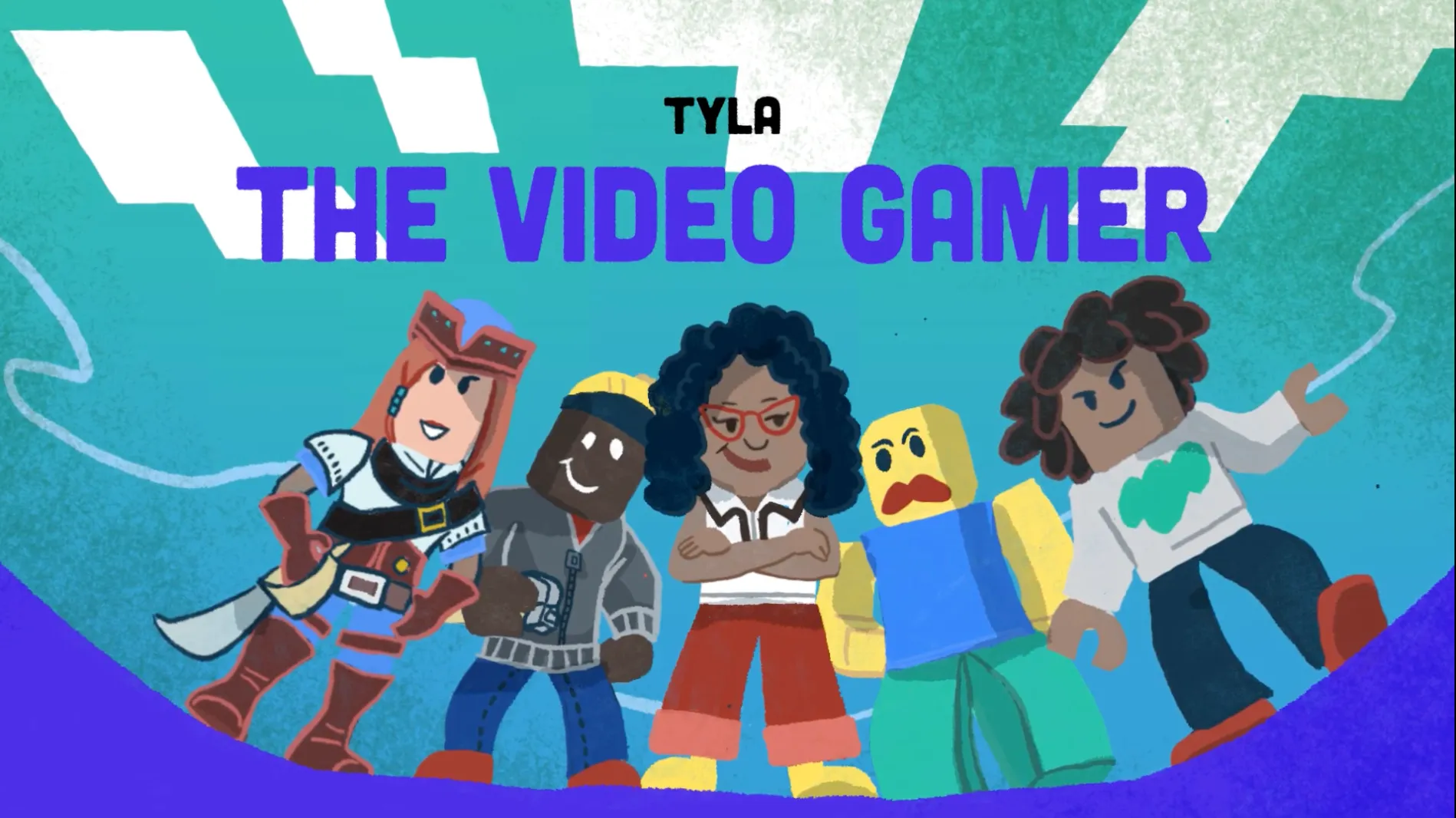
This episode follows Tylah, a young video gamer who refuses to accept the narrow stories the gaming world keeps telling. After spending years immersed in games where the heroes were almost always male and almost always white, she realised something powerful: if the industry wasn’t going to make space for girls like her, she would carve out her own path.
Homeschooled and surrounded by a world of creativity, Tylah uses her freedom to explore, experiment, and build. She talks openly about how gaming became more than entertainment—it became a place where she could imagine new worlds, new characters, and new possibilities. Instead of waiting for representation, she started shaping it herself.
The episode captures her journey as she challenges the norms of video making, pushing back against an industry that still sidelines Black girls and women. We see her designing characters who look like her, telling stories that centre her experiences, and creating content that expands what gaming can be.
At its heart, this is a story about a girl who looked at a landscape that didn’t include her and decided to redraw it. Tylah shows that creativity isn’t just a skill—it’s a form of resistance, a way of saying I belong here too.
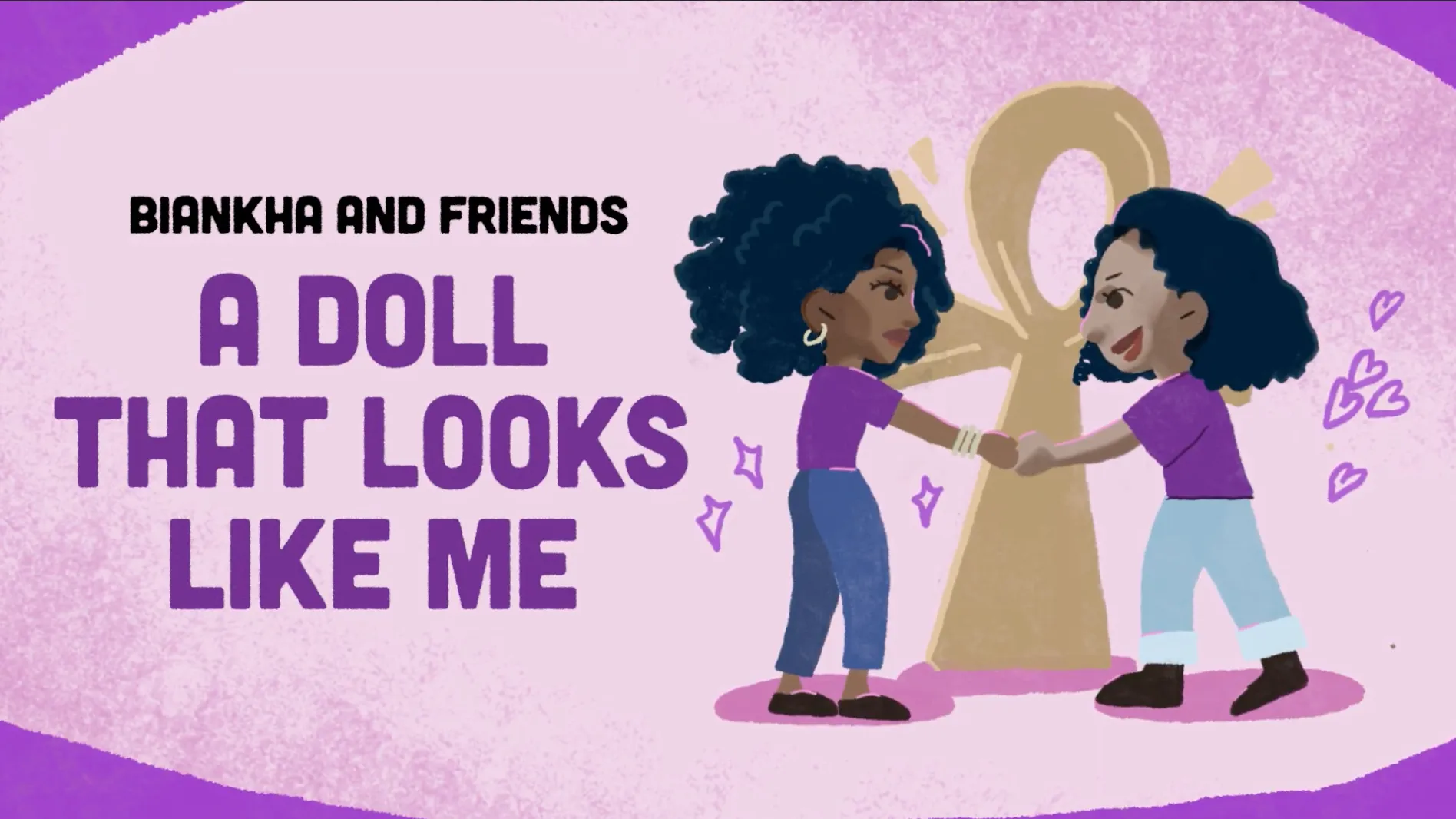
This episode follows Charlotte Francis, a solo parent, and her daughter Cali, the founders of Biankha and Friends. After Cali was bullied at school for her afro hair and skin tone, Charlotte was confronted with memories of her own childhood experiences of racism. Hoping for a more inclusive environment, she moved to London—only to discover that discrimination exists everywhere.
A trip to see Moana sparked a new vision: a world where Black children see themselves as heroes. From that moment, Charlotte and Cali created Biankha and Friends, a brand celebrating Black beauty through Black dolls, accessories, and their own animation series, offering children joyful and empowering representation.
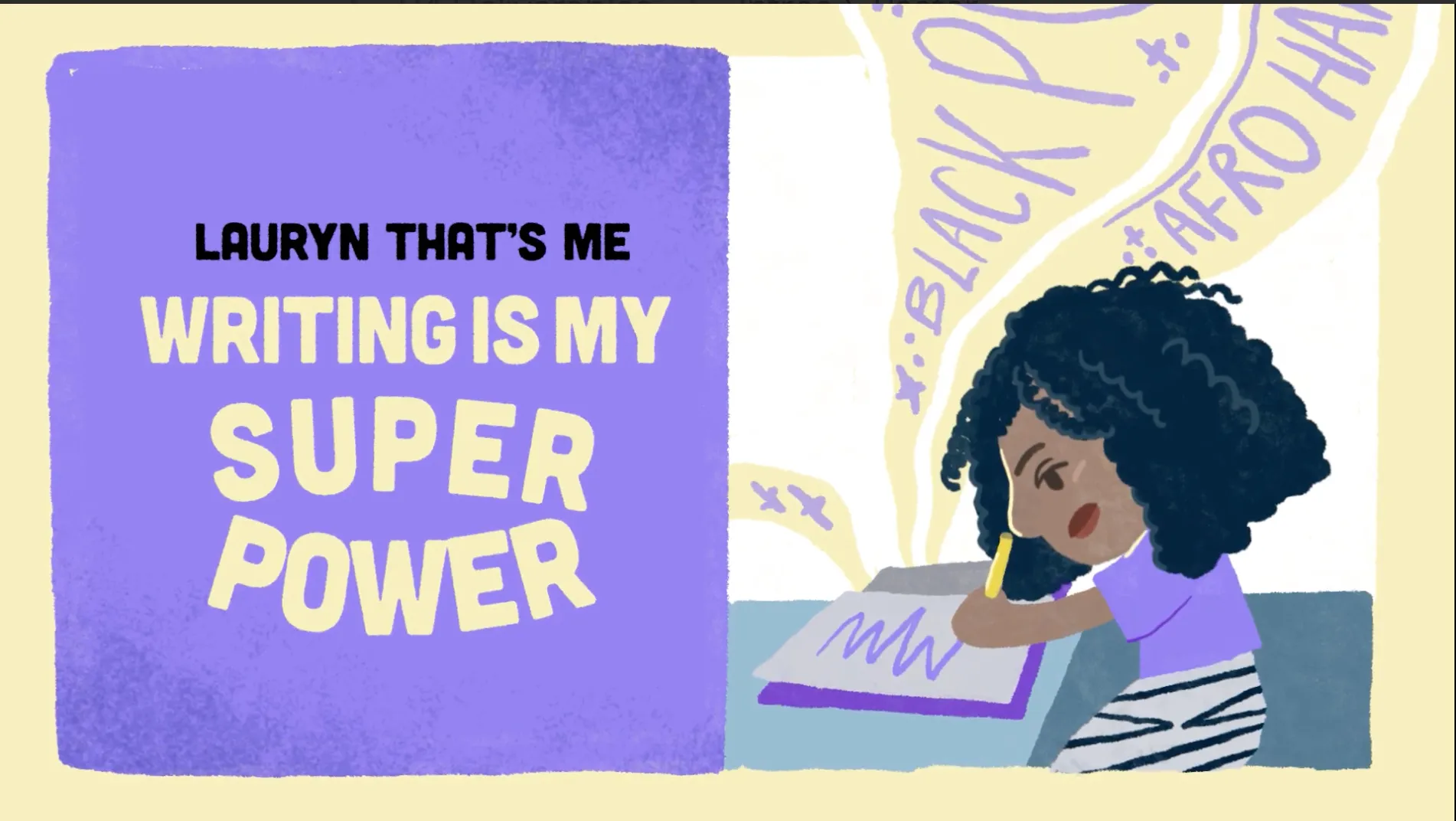
This episode tells the story of Lauryn, a young Londoner with roots in Cabo Verde and São Tomé and Príncipe, whose voice is inspiring both children and adults. After noticing how few books reflected families like hers, Lauryn decided to write her own. Her book, Lauryn, That’s Me: The Journey of a Powerful Girl, was born from three truths she could no longer ignore:
there are not enough stories about children raised by solo parents;
there are almost no children’s books celebrating her two home countries;
and young Black children deserve to know that Black is beautiful.
Her courage and creativity made history—Lauryn became the youngest Afro‑Portuguese author in the UK, opening doors for other children who rarely see themselves in literature. Her journey quickly grew beyond the page, leading her to be invited by the President of Cabo Verde and to receive multiple awards recognising her impact.
This episode follows Lauryn as she steps into her power, showing how one young girl’s story can spark pride, representation, and possibility for a whole generation.